Pages

Showing posts with label Emile Zola. Show all posts

7/15/14

Translate Émile Zola: An Open Letter to Publishers

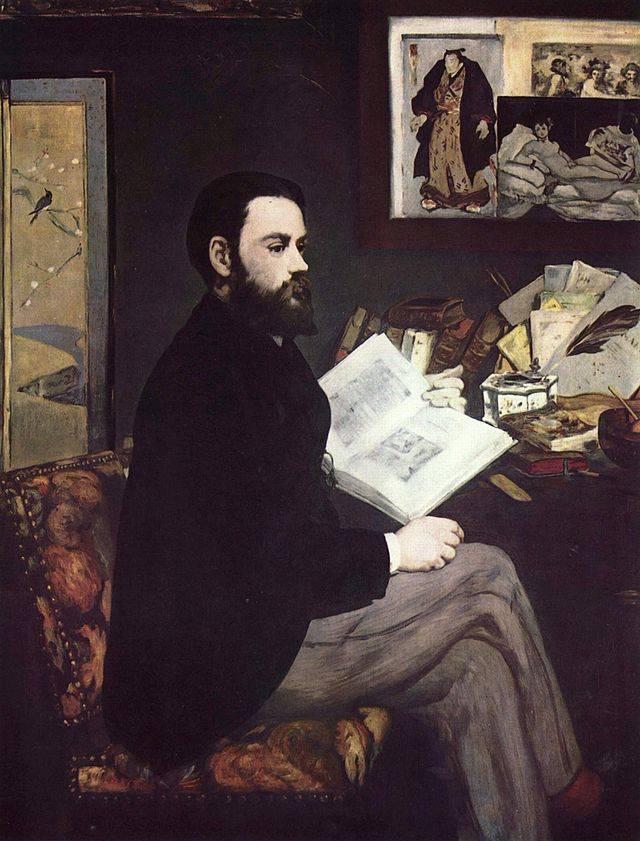
manet-zolaArtists, coal miners, prostitutes, politicians: you’ll find all of these characters and more in the works of Émile Zola.

I read my first Zola novel in college, during a lull in my final exams at the end of sophomore year. The college bookstore happened to have a copy of Le ventre de Paris (The Belly Of Paris) in its little “general literature” section, and from the moment I read the first page I was HOOKED.

Setting out to write about every aspect of French society under the Second Empire, Zola (1840-1902) crafted twenty exquisitely detailed novels over the course of two decades at the end of the 19th century. His formulation of literary Naturalism, where the writer attempts to objectively study and analyze human society through the lives of his/her characters, was so influential that it drove Stephen Crane, Frank Norris, and Theodore Dreiser, among others, to craft their own versions of American Naturalism.

5/31/14

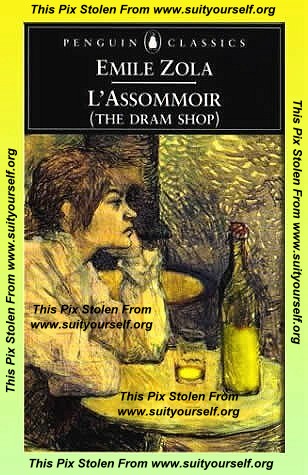
In Translation: L'Assommoir by Emile Zola


http://www.suityourself.org/images/ArtistsCopy6.jpgL'Assommoir (1877) by Emile Zola

"L'Assommoir can be seen not only as a firmly constructed, hard-hitting novel of Paris slum life, but also as a vast canvas of colors and tones making the reader both actually see and feel the life of the poor in the baking sun amid the stench of moldering refuse or in the squalor of snow melting with filthy street waste."

This excerpt from Angus Wilson's "Afterword" sums up all that is so extraordinary and so depressing about the seventh novel in the great Rougon-Macquart chronicle. Setting out to write about every aspect of French society under the Second Empire, Zola crafted twenty exquisitely detailed novels over the course of two decades at the end of the 19th century. His formulation of literary Naturalism, where the writer attempts to study objectively and analyze human society through the lives of his/her characters, was so influential that it drove Stephen Crane, Frank Norris, and Theodore Dreiser, among others, to craft their own versions of American naturalism.